
For decades, luxury was synonymous with display. Large logos, brands recognizable from a distance, flashy cars and highly visible lifestyles shaped the imagination around high-end consumption. However, this scenario has been changing steadily in recent years.
Among global elites, a new behavior has been gaining strength: so-called “quiet luxury.” More than an aesthetic trend, it is a shift in mindset that redefines what it truly means to be sophisticated.
What is “quiet luxury”?
“Quiet luxury” is a concept that prioritizes discretion, quality and timelessness over explicit ostentation.
In practice, this means clothing without visible logos, noble materials with impeccable finishes, minimalist architecture and consumer choices that communicate wealth in a subtle way — noticeable only to those who understand the codes of luxury.
It is not about the absence of value, but the opposite: luxury is in the details, not in the display.
Why are the wealthiest abandoning ostentation?
The behavioral shift among high-income individuals is linked to a combination of cultural, social and even technological factors.
1. Saturation of ostentation on social media
With the growth of social media, ostentation has become more accessible and widely reproduced.
Highly visible brands began to be associated not only with luxury, but also with mass consumption. This reduced the sense of exclusivity that once defined these products.
In response, part of the elite began seeking more discreet forms of distinction.
2. Exclusivity as the new status symbol
In “quiet luxury,” status is not found in what is easily recognizable, but in what is difficult to identify.
Tailor-made pieces, artisanal brands, properties with signature architecture and personalized experiences have come to represent a new type of social distinction.
Luxury is no longer about being seen by everyone, but about being recognized only by a few.
3. Generational change among the ultra-rich
New generations of high-income individuals, especially heirs and entrepreneurs from the technology sector, tend to value discretion more than display.
This group often prioritizes functionality, minimalist design and conscious consumption, directly influencing the global luxury market.
4. Security and privacy
Another relevant factor is the search for privacy.
Ostentation can attract unwanted attention, both in the digital and physical worlds. Quiet luxury reduces exposure and allows for a more private life, something increasingly valued among high-net-worth individuals.
How “quiet luxury” appears in fashion
In fashion, the concept translates into pieces with precise cuts, noble fabrics and a neutral color palette.
Brands associated with this style avoid large logos and prioritize finishing, durability and timeless aesthetics.
Shades such as beige, white, gray, black and navy dominate this universe, reinforcing the idea of discreet elegance.
The impact on architecture and interior design
“Quiet luxury” has also strongly influenced interior design.
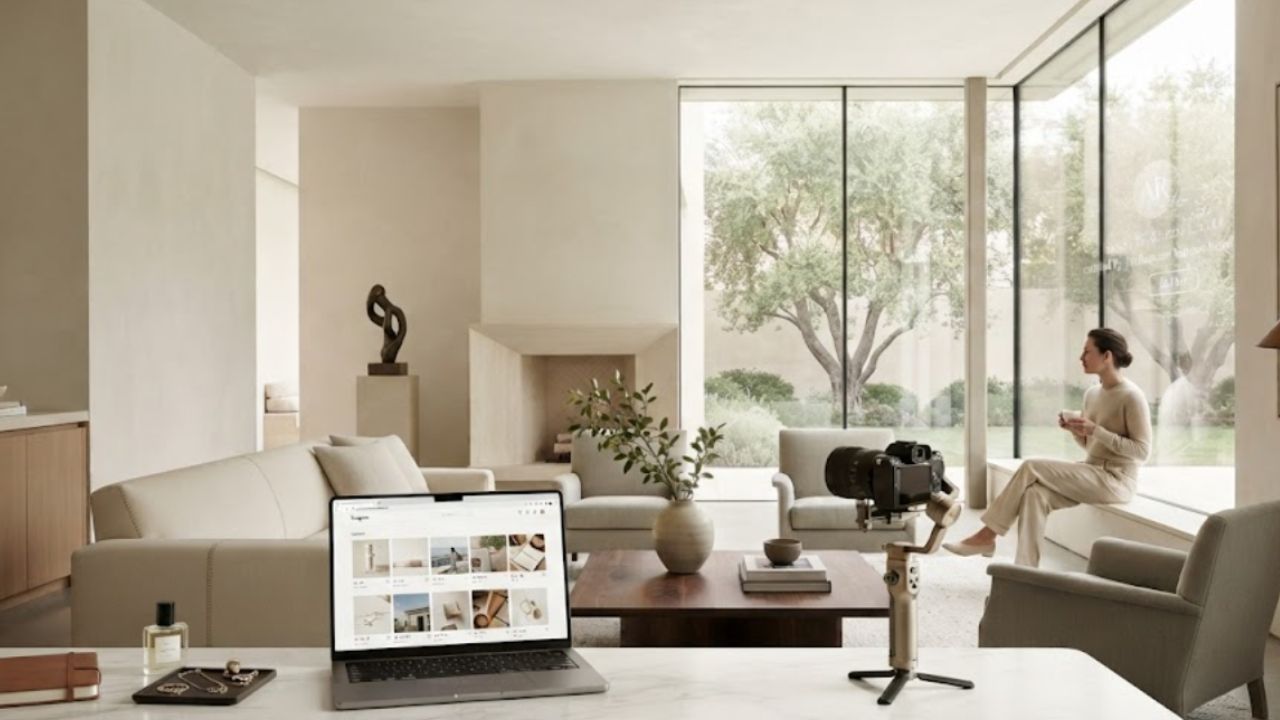
Minimalist environments, with natural materials such as wood, stone and linen, have gained prominence in high-end projects.
Indirect lighting, spacious rooms and the absence of visual excess create a sense of silent sophistication, where each element has function and purpose.
In this context, luxury lies in proportion, in the quality of the materials and in the harmony of the environment.
The role of brands in the new luxury
Traditional luxury brands have had to adapt to this behavioral change.
Instead of focusing only on logos and immediate recognition, many have begun investing in more subtle narratives, minimalist collections and exclusive experiences.
Value now lies both in the product and in the story, craftsmanship and rarity.
Luxury is no longer loud
What we are seeing today is an important cultural transition: luxury has stopped being an obvious statement and has become a more discreet and sophisticated language.
Instead of drawing attention, it seeks recognition among peers. Instead of exposure, it prioritizes experience. Instead of excess, it relies on precision.
This shift redefines not only consumption, but also the way status and success are perceived in contemporary society.
Is the future of luxury silent?
Everything suggests that it is — at least in part.
“Quiet luxury” does not eliminate ostentation, but creates a new point of reference within the high-end market. Today, luxury is not only what is shown, but also what is understood.
And in this new scenario, true sophistication seems to lie precisely in what does not need to be said.
+ Mark Zuckerberg appears with a US$2 million Rolex and reveals a side few people knew about
+ Airbus prepares Tiger MkIII helicopter modernization for high-intensity warfare
This content was created with the help of AI and reviewed by the editorial team.
